
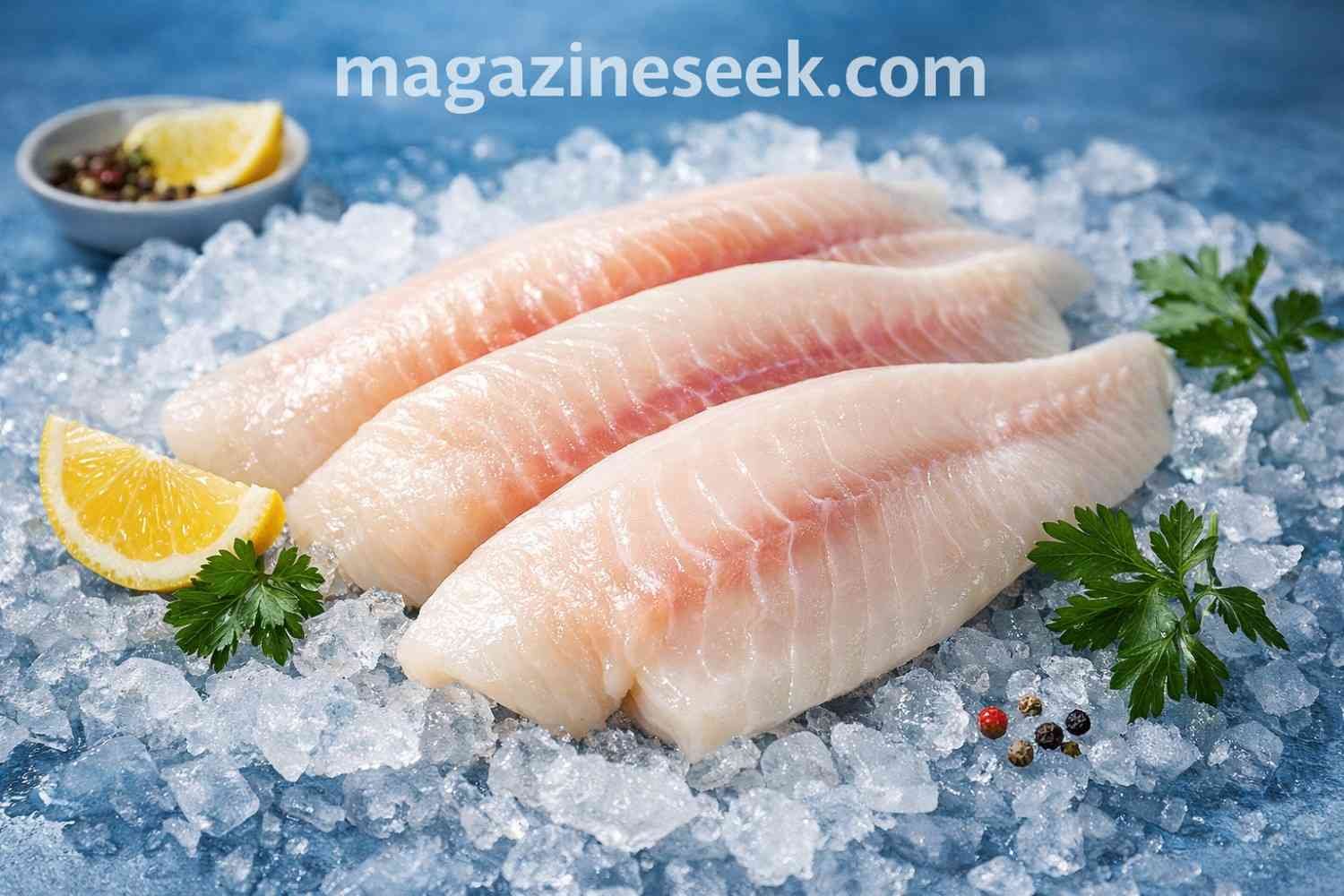
Alaskan Seiti is one of the most widely consumed whitefish in the world, yet many people still don’t fully understand what it is, how it’s used, or why it plays such a major role in global seafood markets. We work closely with seafood professionals and have seen firsthand how Alaskan Seiti moves from the cold waters of Alaska to kitchens, factories, and restaurants worldwide.
This guide answers real questions buyers, consumers, and businesses ask every day. We focus on clarity, accuracy, and practical value, not surface-level descriptions.
What Is Alaskan Seiti and Why Is It So Popular?
Alaskan Seiti is the common commercial name for Alaska pollock, a mild-flavored whitefish harvested primarily from the Bering Sea and Gulf of Alaska. It belongs to the cod family and is known for its lean protein, neutral taste, and consistent texture.
Its popularity comes from three key strengths:
- Reliable supply from well-managed fisheries
- Versatility in food production and home cooking
- Affordability without sacrificing quality
Because of these traits, Alaskan Seiti is used in everything from frozen fillets to fish sticks, surimi, and ready-made meals.
Where Alaskan Seiti Comes From and How It’s Harvested
Alaskan Seiti is sourced almost exclusively from U.S. waters under some of the strictest fishery management systems in the world. Harvesting follows science-based quotas that protect long-term stock health.
Modern catcher-processor vessels freeze fish at sea within hours, preserving freshness and nutritional value. This process ensures consistent quality across global markets.
Authoritative sources such as the National Oceanic and Atmospheric Administration (NOAA) confirm Alaska pollock as one of the best-managed fisheries globally, reinforcing trust in Alaskan Seiti’s sustainability.
How Alaskan Seiti Is Used in Food Products
Alaskan Seiti’s neutral flavor and firm texture make it exceptionally adaptable. We see it used across multiple categories:
- Frozen fillets for retail and foodservice
- Breaded products like fish sticks and patties
- Surimi for imitation crab and seafood blends
- Prepared meals, including burgers and wraps
Manufacturers prefer Alaskan Seiti because it absorbs seasoning well and holds its structure during processing.
For related seafood insights, many readers also explore our internal guides on whitefish processing methods and frozen seafood storage best practices.
Nutritional Value of Alaskan Seiti
Alaskan Seiti offers strong nutritional benefits without heaviness. A typical serving provides:
- High-quality protein supporting muscle and metabolism
- Low fat content, ideal for heart-conscious diets
- Natural omega-3s in moderate amounts
- Essential vitamins such as B12 and selenium
This balance makes Alaskan Seiti a frequent recommendation in hospitals, schools, and wellness-focused meal plans.
How Alaskan Seiti Compares to Cod and Haddock
Many buyers ask how Alaskan Seiti compares to cod or haddock. From hands-on experience, the differences are practical rather than dramatic.
Alaskan Seiti is:
- Slightly milder than cod
- More uniform in size
- Often more affordable
- Better suited for processed seafood products
Cod may offer a firmer bite, but Alaskan Seiti excels where consistency and scalability matter.
How to Choose High-Quality Alaskan Seiti
Not all Alaskan Seiti products are equal. Quality depends on handling, freezing method, and processing standards.
We recommend checking for:
- Clear labeling indicating U.S. Alaska origin
- Individually quick frozen (IQF) fillets
- Minimal glaze and no strong odor
- Firm, translucent flesh after thawing
For buyers sourcing in volume, our internal resources on seafood supplier vetting and quality control standards provide deeper guidance.
Is Alaskan Seiti Sustainable and Safe?
Yes. Alaskan Seiti consistently ranks among the most sustainable seafood choices available. Independent organizations and regulators confirm stable fish populations and low bycatch rates.
The Food and Agriculture Organization (FAO) recognizes Alaska pollock fisheries as a benchmark for responsible management.
From a safety standpoint, Alaskan Seiti is low in mercury, making it suitable for regular consumption.
Best Ways to Cook Alaskan Seiti at Home
Alaskan Seiti works well in both simple and advanced recipes. Based on practical kitchen testing, we recommend:
- Pan-searing with light oil for crisp edges
- Baking with herbs and citrus for moisture
- Air frying for fast, low-fat meals
- Poaching for salads and wraps
Avoid overcooking; the fish cooks quickly and stays tender when handled gently.
Conclusion
Alaskan Seiti stands out as a dependable, nutritious, and responsibly sourced whitefish. Its versatility, sustainability, and affordability explain why it plays such a central role in global seafood markets. By understanding sourcing, quality markers, and best uses, consumers and buyers can make confident, informed choices.
