
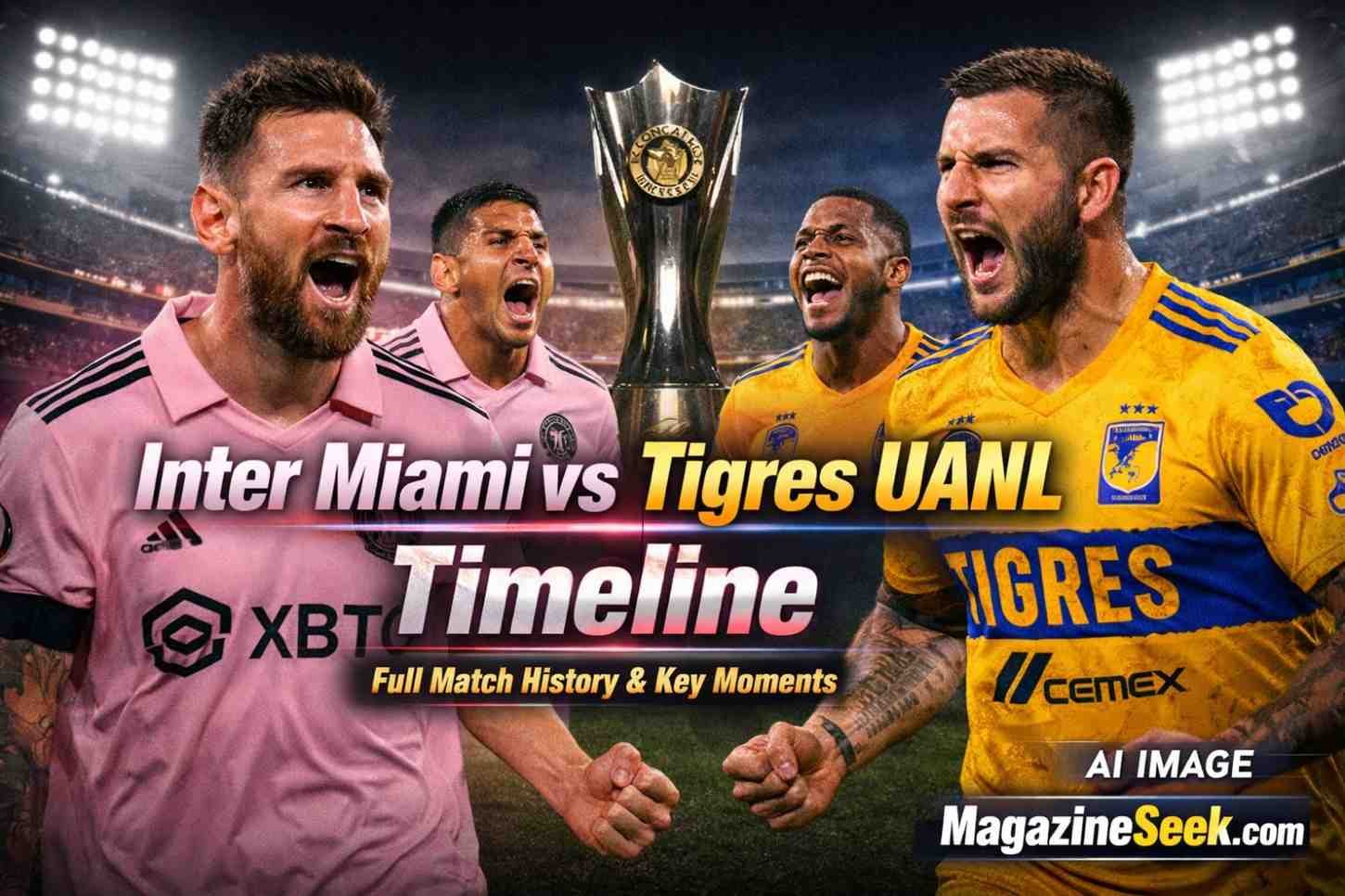
We usually see this search coming from fans who want context, not just a scoreline. They want to understand how Inter Miami and Tigres UANL crossed paths, why those meetings mattered, and what actually shifted on the field. This timeline exists because this matchup blends MLS ambition with Liga MX pedigree, and that contrast creates moments worth revisiting. We have followed these encounters closely, and the story is richer than most summaries suggest.
When Did Inter Miami and Tigres UANL First Face Each Other?
The first meeting between Inter Miami and Tigres UANL arrived during a period when MLS clubs were testing themselves against established Mexican giants. Tigres came in with continental experience and an identity built over years, while Inter Miami represented a younger project still defining its competitive spine. That opening clash immediately showed the gap in experience but also hinted at Miami’s attacking intent. It was less about domination and more about learning curves colliding.
What Competition Brought Inter Miami vs Tigres UANL Together?
This matchup emerged through CONCACAF-sanctioned tournaments, where MLS and Liga MX sides meet under high-pressure formats. These competitions remove the safety net of domestic familiarity and expose tactical discipline fast. For context on how these tournaments are structured and why they matter, the Inter Miami vs Tigres UANL timeline fits directly into the broader regional framework governed by CONCACAF, where margins are thin and experience often decides outcomes.
How Did Tigres UANL Approach the Early Matches Tactically?
Tigres leaned on what they do best: compact defensive blocks, experienced midfield control, and ruthless efficiency in transition. They rarely overcommitted numbers forward, instead waiting for mistakes. From our observation, Tigres did not treat Inter Miami as a novelty opponent. They treated them as a developing side that could be punished if structure slipped. That mindset shaped the early phases of the timeline more than individual brilliance.
How Did Inter Miami adapt after the Initial Encounters?
Inter Miami’s response was not immediate, and that is often overlooked. Adjustments came gradually through improved ball circulation, quicker wing transitions, and more disciplined defensive spacing. We noticed a clear shift in how Miami pressed, choosing moments rather than chasing. These refinements did not instantly flip results, but they narrowed the gap and changed the tone of subsequent meetings.
Which Match Became the Turning Point in the Timeline?
Every timeline has a hinge moment. In this rivalry, it was the match where Inter Miami finally imposed tempo instead of reacting. The scoreline alone did not tell the story. Miami controlled possession in critical stretches and forced Tigres to defend deeper than usual. That single performance reframed expectations and proved that the gap was no longer structural, only situational.
How Did Star Players influence the Inter Miami vs Tigres UANL Timeline?
Star power mattered, but not always in obvious ways. Tigres relied on seasoned leaders who managed game rhythm rather than chasing highlights. Inter Miami’s impact players brought unpredictability and emotional lift, especially in home fixtures. What stood out to us was not goals alone, but how individual decisions slowed or accelerated matches. Those micro-moments shaped the broader narrative.
What Role Did Home Advantage Play in this Rivalry?
Home advantage played a decisive role throughout the timeline. Tigres at home dictated pace with crowd-driven momentum and disciplined pressing. Inter Miami, meanwhile, fed off atmosphere to play more aggressively between the lines. Travel, climate, and fan intensity all subtly influenced outcomes. Ignoring these factors oversimplifies the timeline and misses why performances varied so sharply by venue.
How Does this Timeline Compare to Other MLS vs Liga MX Matchups?
Compared to other MLS vs Liga MX clashes, this timeline feels more transitional. Tigres entered as an established benchmark, while Inter Miami represented growth in real time. Unlike one-off upsets, this matchup shows evolution across meetings. That makes it more instructive than dramatic, especially for fans tracking MLS progress against Liga MX standards defined and chronicled by organizations like Major League Soccer.
Why Does this Timeline Matter For Future Encounters?
This timeline matters because it shows trend lines, not just history. Tigres can no longer rely purely on experience, and Inter Miami now enters these matchups with evidence that tactical discipline works. Future meetings will be shaped by lessons already learned. Fans who understand the timeline will better anticipate how these teams approach each other next time.
Is Inter Miami vs Tigres UANL becoming a Real Rivalry?
Rivalries are built through repetition and stakes, and this one is quietly forming. It lacks decades of history, but it has narrative tension. Each meeting adds layers of expectation and adjustment. From what we have seen, players and supporters now recognize the matchup, which is often the first sign that a rivalry is taking hold.
What should Fans Remember Most From the Inter Miami vs Tigres UANL Timeline?
Fans should remember that this timeline is about progression. Tigres showcased why Liga MX clubs are respected regionally. Inter Miami demonstrated how quickly an ambitious MLS side can close gaps through learning rather than spending alone. The value lies in understanding how each meeting informed the next.
Summary of the Inter Miami vs Tigres UANL Timeline
We have traced this timeline from its uneven beginnings to its more balanced recent chapters. The story reflects growth, adaptation, and shifting expectations rather than simple wins and losses. Each match contributed a lesson that reshaped the next encounter. Taken together, the timeline explains why this matchup now carries weight and why future meetings will be watched with greater scrutiny.
